
Seattle's Mature Tree Canopy and Sewer Cleaning: What Every Homeowner Should Know
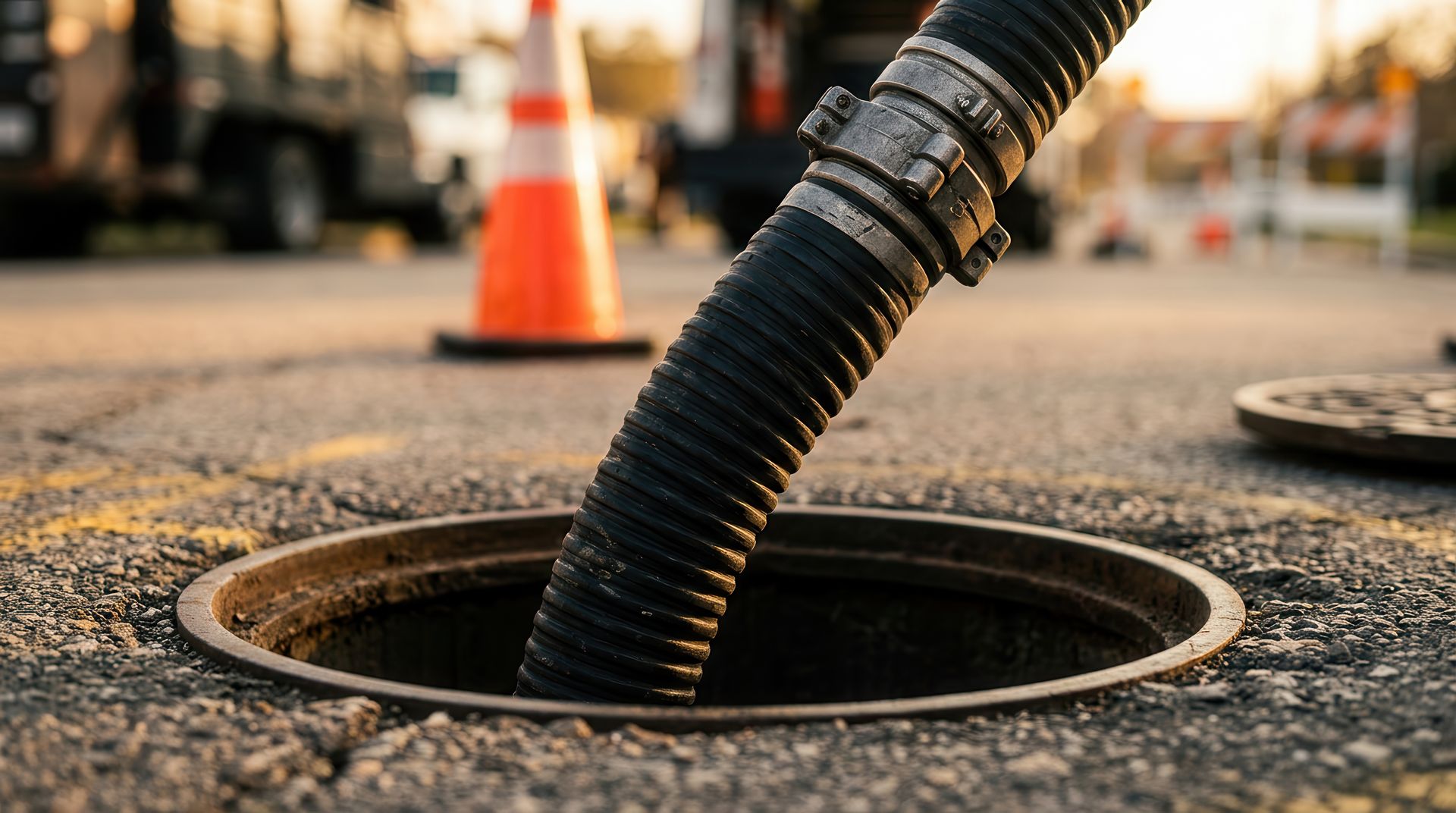
Seattle homeowners deal with a uniquely high risk of sewer line damage caused by the city's mature urban tree canopy, and sewer cleaning is often the first and most effective line of defense. This article explains why that risk exists, which trees cause the most trouble, how professionals identify and address the problem, and which neighborhoods face the greatest exposure.
Why Seattle's Urban Forest Creates a Sewer Problem Like No Other
Seattle's combination of mature trees, wet climate, and aging underground pipes makes root intrusion unusually common. The city's forestry programs have added tens of thousands of trees to residential planting strips over many decades, and those trees now have extensive root systems spread deep underground, often directly in the path of sewer lines.
Seattle receives roughly 37 inches of rainfall each year. That consistent moisture keeps soil saturated and encourages roots to grow aggressively year-round. When a nearby sewer pipe develops even a hairline crack, it releases warm, nutrient-rich vapor into the surrounding soil. Tree roots detect that moisture and grow directly toward it. Once inside the pipe, the roots keep expanding, creating a slow, invisible problem that builds until a backup or sewage odor finally brings it to light.
Which Seattle Trees Cause the Most Sewer Damage?
Some species commonly found in Seattle are among the most aggressive root growers. Cottonwoods, willows, bigleaf maples, Norway maples, and poplars develop wide-spreading root systems that can travel far from the base of the tree. Willows are especially problematic because they are adapted to seek out underground water sources continuously.
Many of these species were planted as street trees throughout the city. Property owners often have little say over which species were planted in the right-of-way in front of their homes, yet they bear responsibility when those roots damage the side sewer lateral on their property.
The Neighborhoods at Greatest Risk
Ravenna, Wedgwood, and Laurelhurst in northeast Seattle see this problem most often. These established neighborhoods have housing stock dating largely to the 1920s through 1950s, and many homes still have original clay or cast-iron sewer laterals installed when the neighborhoods were first developed.
Clay pipe was not designed with watertight joints, so roots find those joints easily and slip inside. Over decades, what starts as a fine root hair becomes a thick mass of growth that traps grease, paper, and debris, eventually blocking wastewater flow entirely. Craftsman-era homes on tree-lined streets carry a compounding risk: older pipe material combined with mature root systems overhead. Neighborhoods throughout the city with dense canopies and pre-1970s housing face similar conditions.
How Camera Inspection and Hydro Jetting Identify and Solve the Problem
A camera inspection is the essential first step. A licensed plumber feeds a waterproof camera through the sewer line to assess the location and severity of root intrusion, check pipe wall condition, and confirm whether the line is structurally sound enough for further treatment.
When the pipe is intact and intrusion is moderate, hydro jetting is often the recommended approach for sewer cleaning in Seattle, WA. High-pressure water is directed through the line using a specialized nozzle that cuts through root masses and scours the pipe walls clean, removing roots, grease, and accumulated debris.
A follow-up camera inspection then confirms the line has been fully cleared. If roots have caused structural fractures or collapsed sections, trenchless pipe lining or partial replacement may be the better path forward.
Cleaning or Replacement: How to Know Which One You Need
Sewer cleaning can restore full flow when the pipe is still structurally sound. Regular cleaning may also extend the life of an older line by preventing roots from reaching damaging levels.
Replacement or pipe lining becomes necessary when the camera reveals cracks, offset joints, or collapsed sections. Trenchless lining can seal cracks and smooth the pipe interior from the inside, reducing the risk of future root entry without full excavation. If a section has collapsed entirely, targeted excavation and replacement may be the only option. Attempting to jet a severely compromised pipe can worsen damage, which is why inspection must always come first.
How Often Should Seattle Homeowners Inspect Their Sewer Line?
Homeowners in older neighborhoods with mature trees nearby may benefit from periodic sewer line scoping, particularly if they have experienced slow drains, gurgling sounds, or recurring backups. A camera inspection can catch early root intrusion before it develops into a full blockage.
Who Is Responsible for Side Sewer Repair in Seattle?
In Seattle, WA, the City of Seattle is responsible for the main sewer line under the street. The property owner is responsible for the side sewer lateral connecting the home to that main line. Root damage to the lateral on private or right-of-way soil typically becomes the homeowner's financial responsibility.
Take Action Before the Problem Gets Worse
Seattle's tree canopy is one of the city's greatest assets, but it can quietly threaten the sewer infrastructure beneath your home. If you live in an older Seattle neighborhood with large mature trees nearby, aging pipes and active root systems may already be working against you.
Aurora Plumbing and Electric Supply has been serving Seattle homeowners for over 65 years. Its licensed technicians use camera inspections and professional sewer cleaning to diagnose and address root intrusion before it becomes a costly emergency. To schedule a sewer camera inspection or learn more about sewer cleaning services in Seattle, WA, call (206) 364-1140 or reach out through the contact page to request an appointment.